

LOCATED IN SLIDELL, LA
Expert Diagnosis and Treatment for Nail Disorders in Slidell, LA
Nails are more than a cosmetic feature—they’re a reflection of your skin and overall health. When nails become thickened, discolored, or painful, it may indicate a fungal, yeast, or bacterial infection that requires professional care. At Hilton Dermatology + Aesthetics, our board-certified dermatologists diagnose and treat nail fungus and yeast infections in Slidell, LA. We provide expert care for the full spectrum of nail infections, including fungal (onychomycosis), yeast, and post-surgical or trauma-related infections. Because nail fungus and other conditions often mimic one another, expert evaluation is essential to ensure the correct treatment plan.
Request your appointment
Medical + Cosmetic Dermatology Services
Request an appointment online for diagnosis and treatment of nail fungus and yeast infections in Slidell, LA. Our board-certified dermatologists o>er advanced, medically precise care to safely and effectively restore the health and appearance of your nails—call 985-649-5880 to schedule your visit.
LOCATED IN SLIDELL, LA
Understanding Nail Fungus (Onychomycosis)
Nail fungus, or onychomycosis, is a common condition caused by dermatophyte fungi that invade the nail plate and nail bed. It can affect both toenails and fingernails, leading to gradual changes in nail appearance and structure.
Typical signs of nail fungus include:
- Thickened or brittle nails
- Yellow, brown, or white discoloration
- Crumbling edges or distorted shape
- Separation of the nail from the nail bed (onycholysis)
- Mild odor or debris beneath the nail
Nail fungus infections tend to develop slowly and worsen over time, particularly in warm, moist environments such as shoes or gym floors.
While over-the-counter antifungal creams may help surface infections, nail fungus requires medical evaluation for accurate diagnosis and targeted treatment.
Yeast Nail Infections
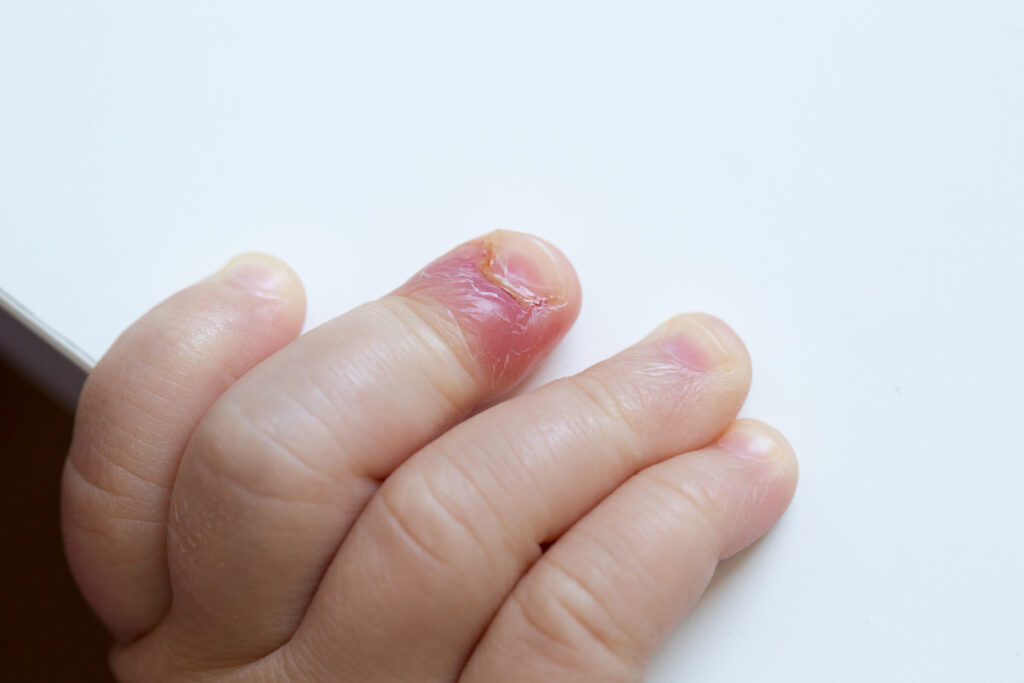
Unlike dermatophyte fungus, many nail infections are typically caused by yeast. These infections often affect fingernails, especially in individuals whose hands are frequently exposed to water, cleaning agents, or gloves.
Symptoms may include:
- Redness, tenderness, or swelling around the nail fold
- Thickened, soft, or brittle nails
- White discoloration or separation of the nail plate
- Pus or drainage in severe cases
Yeast infections can also occur following trauma, surgery, or other damage that disrupts the protective nail barrier.
Because yeast-related infections often coexist with bacterial or inflammatory components, accurate laboratory testing—such as fungal culture or nail clipping analysis—is key to selecting the right medication.
Nail Infections After Surgery or Injury
Even when nails are healthy, trauma or surgery can create openings for bacteria, yeast, or fungus to enter.
Post-surgical nail infections may occur after:
- Nail removal or biopsy
- Matrix or ingrown toenail procedures
- Orthopedic surgery involving the foot or toe
- Nail trauma (stubbed toes, heavy object injuries, or repetitive pressure)
Symptoms of post-surgical infection can include redness, warmth, swelling, drainage, or delayed healing around the surgical site.
At Hilton Dermatology, our dermatologists provide precise post-procedural monitoring and prescribe targeted treatments to prevent infection and promote healthy regrowth. Prompt care minimizes complications and preserves nail appearance.
Beyond Nail Fungus and Yeast Infections: Other Causes of Nail Changes
Not all nail discoloration or thickening indicates nail fungus. A variety of dermatologic and systemic conditions can cause similar changes, including:
- Psoriasis (nail pitting, lifting, discoloration)
- Eczema and chronic irritation
- Trauma or tight footwear
- Lichen planus (inflammatory nail disorder)
- Melanoma (pigmented streaks or irregular color under the nail)
Because these conditions can resemble nail fungus infections, professional evaluation and testing are critical before starting treatment.
LOCATED IN SLIDELL, LA
Diagnosis: Why Accurate Testing Matters for Nail Fungus, Yeast Infections, and Other Conditions
Accurate diagnosis is the foundation of successful treatment for nail fungus and yeast infections. Our dermatologists perform microscopic evaluation and fungal cultures to confirm whether a true fungal or yeast organism is present.
This step ensures patients receive the right medication—whether an antifungal, antibacterial, or anti-inflammatory agent—rather than ineffective or unnecessary therapies.
Treatment Options for Nail Fungus and Yeast Infections
At Hilton Dermatology + Aesthetics, we create individualized treatment plans based on the infection type, severity, and patient health.
Treatment for nail fungus and yeast infections may include:
Topical Therapy
For mild infections, antifungal lacquers or medicated creams may be prescribed to penetrate the nail and surrounding skin.
Oral Antifungal Medication
Systemic antifungal medications such as terbinafine or itraconazole offer the highest success rates for moderate to severe nail fungus infections.
Laser Nail Treatment
In select cases, laser therapy can help eradicate the fungal organisms causing nail fungus without oral medication or downtime.
Antifungal & Antiseptic Nail Care
Medicated soaks or topical antiseptics for nail fungus and yeast infections help maintain a healthy environment for nail regrowth.
Yeast and Post-Surgical Infection Management
For Candida or mixed infections, treatment may include oral or topical antifungals combined with antibacterial agents and inflammation control.
Your dermatologist will determine whether a combination approach—using oral medication, topical agents, and nail hygiene strategies—will yield the best outcome for nail fungus, yeast infections, or other conditions.
Prevention and Nail Care Tips for Nail Fungus and Yeast Infections
Preventing recurrence is as important as treating the infection. Our dermatologists counsel patients on daily habits that reduce nail fungus and yeast overgrowth:
- Keep nails clean, dry, and trimmed
- Avoid sharing nail tools or footwear
- Disinfect nail instruments regularly
- Wear breathable socks and shoes
- Use antifungal foot powder if prone to sweating
- Apply moisturizer to the cuticles—but avoid overhydration
- Always use clean tools during pedicures or manicures
For patients recovering from nail surgery, we provide customized aftercare instructions to minimize infection risk and support healthy regrowth.
LOCATED IN SLIDELL, LA
Why Choose Hilton Dermatology + Aesthetics for Nail Fungus and Yeast Infections
At Hilton Dermatology + Aesthetics, nail disorders are treated with the same medical precision and individualized attention as any complex skin condition.
Patients across Slidell and the Northshore choose our dermatologists for:
- Board-certified expertise in diagnosing and treating nail fungus and yeast infections
- Comprehensive testing to confirm the exact cause
- Advanced oral, topical, and procedural treatments for optimal outcomes
- Post-surgical infection management to ensure safe healing
- Personalized prevention plans for long-term nail health
Our goal is not only to treat the infection but to restore the natural strength, clarity, and confidence of your nails.
Comprehensive Dermatology and Wellness Services
Beyond nail fungus and yeast infections, Hilton Dermatology + Aesthetics offers a wide range of treatments for skin and overall health. Our board-certified dermatologists manage common skin concerns such as acne, eczema, psoriasis, rosacea, and skin cancer, and provide advanced options like biologic therapy and GLP-1 weight loss solutions to help patients achieve healthier skin and improved wellness.
Healthy Nails Start with Expert Care in Slidell, LA
If you’re struggling with nail fungus, yeast infection, or nail changes after surgery, the team at Hilton Dermatology + Aesthetics can help.
Call 985-649-5880 or request an appointment online to get a diagnosis and treatment for nail fungus and yeast infections in Slidell, LA. Our board-certified dermatologists provide advanced, medically precise care to restore the health and appearance of your nails— safely and effectively.
Call 985-649-5880 or request an appointment online to get a diagnosis and treatment for nail fungus and yeast infections in Slidell, LA. Our board-certified dermatologists provide advanced, medically precise care to restore the health and appearance of your nails— safely and effectively.
Our Board-Certified Team



Enhance Your Natural Glow
Take the next step and schedule an appointment today
Our Location
Hilton Dermatology + Aesthetics
Service Times:
Office Hours:
Monday – Friday |
8:30am to 4:30pm